
Harlow Morning Racing Results: AM Meeting Data and Form Differences
 Available in US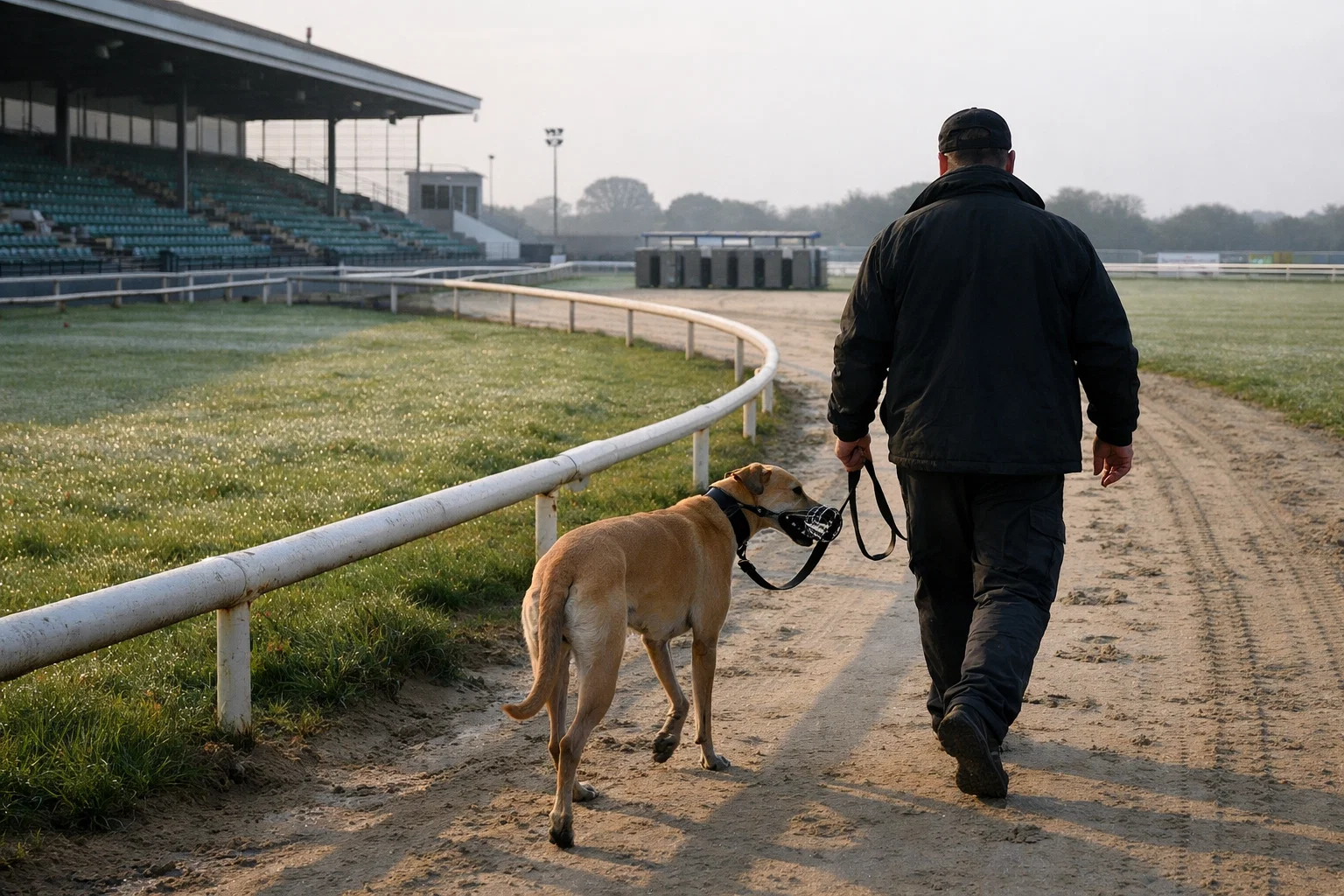
Morning greyhound racing has a reputation as the quiet shift – the unglamorous workhorse of the BAGS schedule that keeps the betting shops ticking over while the main audience waits for the evening card. That reputation undersells the morning meetings at Harlow by a considerable margin. I have been studying AM results here for years, and the morning sessions produce some of the most readable form on the entire weekly calendar. The fields are often drawn from a slightly different pool than the evening card, the going conditions can differ meaningfully from the PM session on the same day, and the market is thinner – which means prices are softer and value is easier to find.
See also: harlow greyhound results — expert Harlow greyhound coverage.
How Harlow Morning Meetings Are Structured
Harlow stages morning meetings on Mondays, Wednesdays, Fridays and Sundays. The AM card typically kicks off at around 11 a.m. with a first race time that varies slightly depending on the SIS broadcast schedule, and the meeting runs through ten to twelve graded races before concluding in the early afternoon. These are BAGS fixtures – Bookmakers’ Afternoon Greyhound Service – broadcast live through SIS to licensed bookmaker shops and online platforms across the UK.
The structure of a morning card mirrors the evening card in most respects: predominantly 415-metre graded races on Harlow’s 334-metre circuit, with a scattering of 238-metre sprints and the occasional 592-metre stayers’ event. Six dogs per race, standard GBGB rules, official race readers providing running comments. What differs is the composition of the fields. Morning cards at Harlow draw from a pool of dogs whose grading, recovery schedule and training programme align with an AM race time, and that pool does not completely overlap with the evening pool.
Some trainers split their string between AM and PM meetings, entering faster-recovering dogs in the morning and those needing longer preparation in the evening. Others run the same dogs across both sessions in the same week, using the morning as a stepping stone and the evening as the main target. Recognising which pattern a trainer follows – and whether a specific dog is being trained through the morning or aimed at it – is a subtle but valuable layer of form reading that most punters skip.
Going and Track Conditions at Morning Fixtures
The track surface at Harlow is maintained between sessions, but morning and evening meetings on the same day are not run on identical going. Across the 18 GBGB-licensed stadiums operating in the UK, each venue manages its own surface preparation, and Harlow’s AM card is typically the first racing session of the day, which means the surface has been watered and prepared but has not yet absorbed the wear of a full meeting. In dry weather, morning going at Harlow tends to be marginally faster than the corresponding evening surface, because the afternoon’s sun and the evening card’s foot traffic have not yet degraded the top layer.
In wet weather the dynamic reverses. Overnight rain saturates the surface, and the morning card runs on heavier going that may dry out by the evening session. This going differential matters for form analysis: a dog that posted a quick calculated time on a fast Monday morning surface might look less impressive when the raw time is adjusted by the going allowance. Conversely, a dog that posted a slow time on a rain-softened morning surface might have run a much better race than the headline figure suggests. Always check the going report for each individual session rather than assuming the day’s going is uniform across AM and PM.
Temperature is another morning-specific variable. Greyhounds are affected by ambient temperature – they run slightly faster in cooler conditions because they overheat less during the race. Morning meetings in autumn and winter, when temperatures are at their lowest, tend to produce faster calculated times than evening sessions on the same day. This is a small effect and it is already partially captured by the going allowance, but in borderline cases it can explain a time differential that might otherwise look like form regression.
Form Angles Unique to Morning Racing
The favourite wins approximately 36% of graded races at Harlow overall, and the morning sessions track close to that figure with one interesting nuance: the variance is higher. Morning favourites either win comfortably or lose badly – the middle ground of narrow defeats is less common than at evening meetings. I attribute this to the thinner market at AM sessions: when fewer punters are studying the card, the favourite is sometimes mispriced (too short when it is vulnerable, too long when it is a certainty), and the result is a wider spread of outcomes.
Check Harlow greyhound trial results.
That higher variance creates opportunity. A morning favourite priced at 4/5 that is actually closer to an even-money shot in true probability terms is a poor bet – but the second favourite in that race, priced at 5/2 when it should be 2/1, might represent value precisely because the market has overfocused on the favourite. I scan morning cards for these pricing imbalances more aggressively than I do evening cards, because the thinner market produces them more frequently.
Morning racing also suits certain running styles. Dogs with confirmed early pace – those showing “QAw” and “EP” in their running comments – tend to outperform their evening record at morning meetings. The likely explanation is behavioural: greyhounds are naturally more alert and energetic in the cooler morning hours, and fast breakers channel that energy into sharper starts. If you have a dog in your form book that traps well but sometimes loses concentration in the evening, check its morning form separately – you might find a pattern of improved box behaviour at AM sessions.
The final morning-specific angle is freshness. Dogs racing at 11 a.m. on a Monday morning have had the longest possible rest since the previous week’s final fixture on Friday evening. That 60-plus-hour gap means they arrive at the morning meeting fully recovered, and dogs returning from minor knocks or hard races benefit most from the extra rest. I keep a watch list of dogs that had troubled runs on Friday – crowded, bumped, checked – and track their performance at the following Monday morning meeting. The strike rate for these “recovery runners” is consistently above average, because the excuse explains the poor Friday result and the extended rest addresses the physical toll.
