
The Economics of UK Greyhound Racing: Betting Turnover, Bookmaker Levies and Revenue Pressure
 Available in US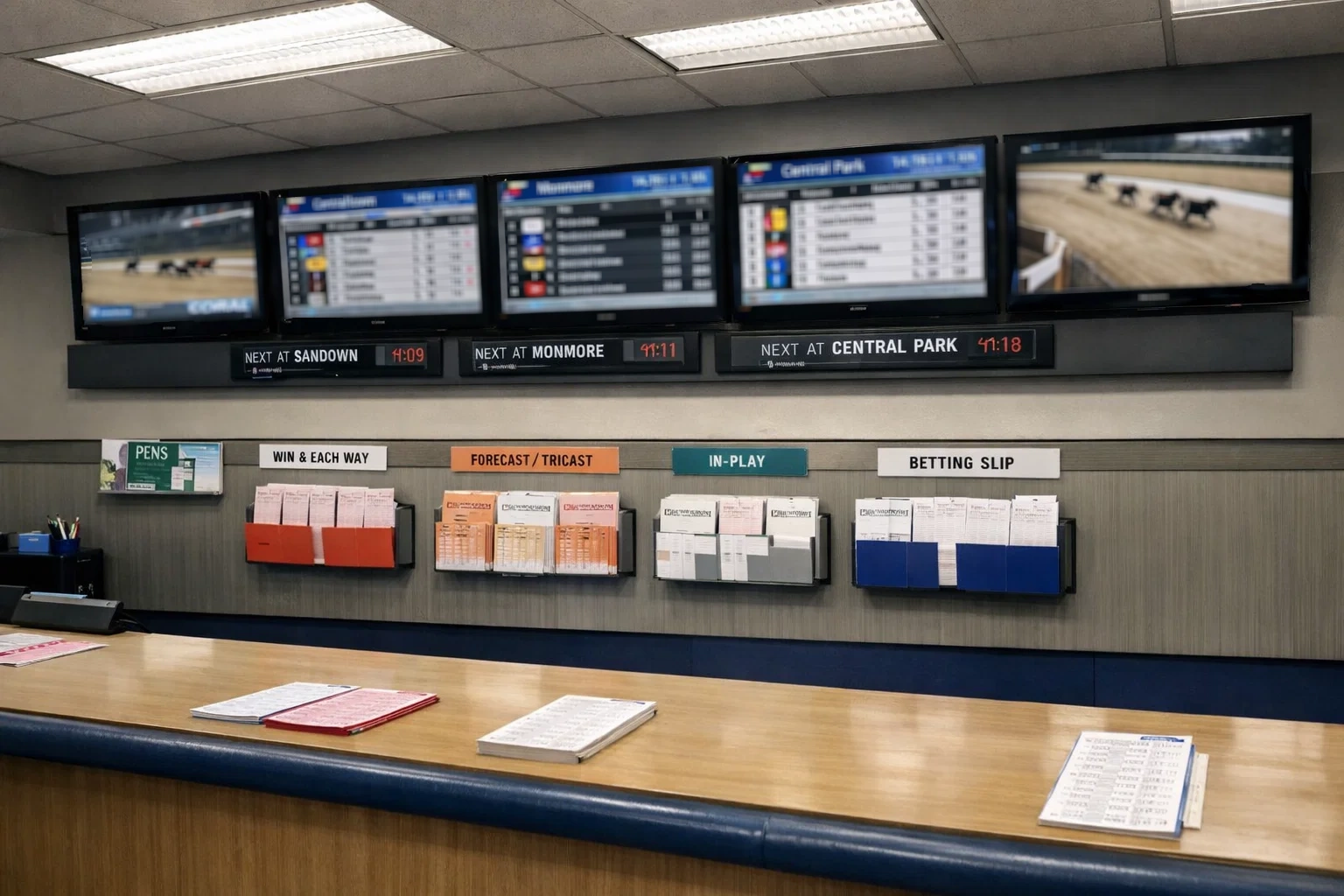
Greyhound racing in Britain runs on money that comes through the bookmaker window, not through the turnstile. That single fact explains more about the sport’s economics than any annual report. The crowds that once packed stadiums – 75 million spectators a year at the peak – are gone, and the revenue that keeps tracks like Harlow open flows from a levy on betting turnover that most punters never think about. Understanding how that money moves, where it comes from, and why it is declining in real terms gives you the context behind every track closure, every welfare programme, and every debate about the sport’s future.
See also: harlow greyhound results — your source for Harlow greyhound info.
Betting Turnover and Gross Gambling Yield
The betting turnover on greyhound racing through bookmaker shops reached 794 million pounds in the financial year from April 2023 to March 2024. That figure covers off-course bets placed in shops and online with licensed operators. Including the tote pool, remote betting and exchange markets, the total greyhound betting turnover for the previous year (April 2022 to March 2023) was estimated at approximately 1.5 billion pounds by the Gambling Commission.
These are large numbers in isolation, but they need to be read in the context of the wider gambling market. The total gross gambling yield – the industry’s net revenue after paying out winnings – across all forms of gambling in Great Britain was 11.5 billion pounds for April 2023 to March 2024, a 5.7% year-on-year increase. Greyhound racing’s share of that total is modest, and the sport competes for bookmaker attention and platform space with football, horse racing, virtual sports and in-play markets that are growing faster.
The turnover figure also masks a real-terms decline. With inflation adjustment, betting turnover on greyhound racing fell by approximately 23% over the three years from 2021 to 2024. The nominal figures held up better than the inflation-adjusted ones, but the purchasing power of the revenue flowing into the sport has eroded substantially. Tracks, trainers and welfare programmes funded by that revenue are operating on money that buys less each year, and the industry has no mechanism to force turnover upward.
The BGRF Levy: 0.6% and 6.75 Million Pounds
The British Greyhound Racing Fund collects a voluntary levy from bookmakers based on their greyhound betting turnover. In the 2024-25 financial year, the levy rate was 0.6%, generating approximately 6.75 million pounds. This money is the sport’s primary funding stream – it pays for prize money, welfare programmes, track maintenance grants, the Injury Retirement Scheme, and the Greyhound Retirement Scheme that has distributed over 5.6 million pounds to homing centres since 2020.
Joe Scanlon, chairman of the BGRF, has raised concerns about the sustainability of the funding model, expressing hope that the industry can find solutions satisfactory to all parties regarding the balance between racing volume and revenue. The levy is voluntary rather than statutory, which means bookmakers participate by agreement rather than by legal obligation. That voluntary nature is a structural vulnerability: if a major bookmaker decided to reduce or withdraw its levy contribution, the funding base would shrink without any legal recourse for the sport.
The 0.6% levy rate is also low by international standards and by comparison with horse racing, where bookmaker contributions to the sport are larger in both percentage and absolute terms. The greyhound industry has lobbied for a higher levy and for a statutory footing, but neither has materialised, and the current rate has been broadly static for several years while costs have risen with inflation.
For tracks like Harlow, the BGRF allocation translates into the prize money offered at each meeting and the infrastructure grants that keep the stadium operational. A reduction in the levy – or a decline in the turnover base it is applied to – feeds directly through to smaller prize funds, reduced welfare spending and tighter budgets for track maintenance. The linkage between the number on a punter’s betting slip and the quality of the racing experience is direct, even if it is invisible to most customers.
Why Revenue Is Falling in Real Terms
GBGB’s commercial director Mark Moisley has been candid about the trajectory, noting that revenue from bookmakers is declining year-on-year and has done for a number of years, with a warning that the current rate of decline will create serious problems sooner rather than later.
Several factors drive the decline. The first is competition. Greyhound racing competes for bookmaker airtime with football, horse racing, virtual sports and a growing menu of in-play betting markets. The rise of online betting – the number of UK online betting accounts has grown from 17 million in 2014 to more than 37 million by 2024 – has expanded the market overall, but greyhound racing has not captured a proportional share of that growth. Punters with more options available on their screens are spending a smaller fraction of their total betting budget on the dogs.
Read about UK greyhound track closures.
The second factor is regulatory pressure. Remote Gaming Duty is set to increase from 21% to 40%, a change that will significantly increase the tax burden on online operators. Bookmakers absorbing that higher duty will look for cost savings elsewhere, and greyhound racing – with its relatively modest contribution to overall revenue – is an obvious candidate for reduced investment. Whether that reduction takes the form of lower levy contributions, fewer BAGS fixture purchases, or reduced promotion of greyhound markets, the effect on the sport’s economics will be negative.
The third factor is the shrinking track network. As stadiums close, the BAGS schedule contracts, and fewer meetings mean fewer betting opportunities. The 5,825 licensed betting shops operating in the UK in the 2024-25 financial year need content to fill their screens, and greyhound racing’s ability to supply that content diminishes with every track closure. The sport risks entering a feedback loop: fewer tracks produce fewer meetings, which generate less turnover, which funds fewer tracks. Breaking that cycle requires either new revenue sources or a fundamental restructuring of the sport’s commercial model.
The economics of UK greyhound racing are not collapsing overnight, but they are contracting at a rate that the industry’s current funding model cannot sustain indefinitely. For anyone following Harlow results – or any UK greyhound results – this commercial reality is the backdrop against which every meeting takes place. The dogs are still fast, the form book is still rich, and the racing is still compelling. The question is whether the economics will allow that to continue.
