
Responsible Gambling at Greyhound Racing: Setting Limits and Staying in Control
 Available in US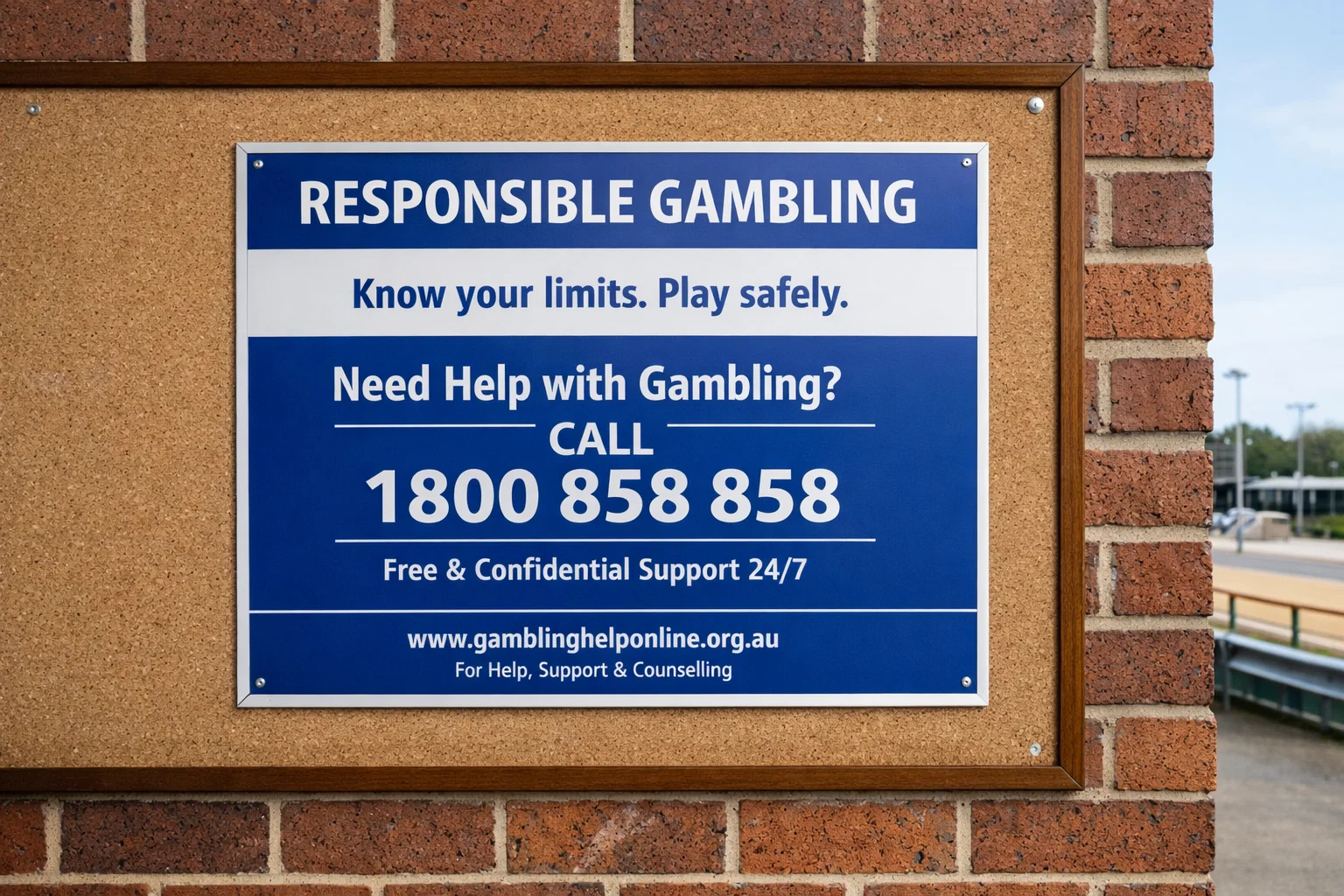
I have watched people enjoy greyhound racing for years and I have also watched a handful of people stop enjoying it – the moment when the form study becomes compulsive, the session limits become suggestions, and the next race becomes more important than the last loss. This piece is not a lecture. It is a practical guide to the tools that exist to keep greyhound betting enjoyable, written by someone who has used several of them and who considers staking discipline a core part of form analysis, not an afterthought bolted on for compliance reasons. If you are betting on Harlow results regularly, the information here is as relevant as anything in the form book.
See also: harlow greyhound results — your Harlow greyhound portal.
Deposit, Loss and Session Limits
Every licensed UK bookmaker is required to offer deposit limits, loss limits and session time limits. These tools exist because the structure of greyhound racing – fast turnaround, frequent meetings, races every ten to twelve minutes – creates an environment where it is easy to bet more often than you intended. The number of UK online betting accounts has grown from 17 million in 2014 to over 37 million by 2024, and the accessibility of greyhound betting through apps and websites means there is always another race to bet on. Accessibility is a feature when it serves your analysis; it is a risk when it overrides your discipline.
A deposit limit caps the amount you can add to your betting account within a set period – daily, weekly or monthly. Setting a weekly deposit limit before you start studying Harlow cards is the single most effective tool for controlling total outlay, because it takes the decision out of the heat of the moment. If your weekly deposit limit is 50 pounds and you have used it by Wednesday, you cannot add more until the limit resets. The frustration of hitting the limit is the point – it forces a pause that the excitement of an upcoming race would otherwise override.
Loss limits work similarly but cap your net losses rather than your deposits. If you deposit 50 pounds and win 30, your balance is 80 – but your loss limit tracks the net, not the gross. A loss limit of 50 means you stop when your net position reaches minus-50 for the period, regardless of how much you have deposited or won in between. Loss limits are more nuanced than deposit limits because they account for winning streaks that temporarily inflate your balance, and they prevent you from riding a hot streak into a deeper hole when the streak ends.
Session limits cap the time you spend on a betting platform in a single sitting. A Harlow evening meeting lasts roughly two hours, and setting a session limit of two hours means you will be prompted to take a break at the end of the meeting rather than drifting into another track’s late card. This tool is particularly relevant for greyhound racing because the BAGS schedule provides continuous racing across multiple tracks – it is possible to bet from 11 a.m. to 10 p.m. without a gap, and session limits prevent that continuity from becoming a trap.
The volume of racing available matters here. Joe Scanlon, chairman of the British Greyhound Racing Fund, has expressed hope that the industry can work toward solutions around the balance between racing volume and the pressures it creates. That volume is precisely what makes staking discipline essential – with Harlow alone running six or more BAGS meetings per week, the opportunities to bet are effectively unlimited, and unlimited opportunity without a framework is a recipe for overspending.
The 5,825 licensed betting shops operating in the UK in the 2024-25 financial year also provide in-venue self-limiting tools, including voluntary restrictions on FOBT (fixed-odds betting terminal) play and the option to set loss limits with the cashier. On-course at Harlow, the discipline is your own – there are no mandatory deposit limits at the on-track bookmaker board – which is why I recommend setting your session budget in cash before you arrive and leaving the debit card at home.
Self-Exclusion and GAMSTOP
Self-exclusion is the step beyond limits. It removes your access to a betting platform for a fixed period – typically six months, one year or five years – and cannot be reversed before the period expires. Every licensed UK bookmaker offers self-exclusion, and the process is straightforward: you request exclusion, the operator closes your account, and you cannot reopen it or create a new one during the exclusion period.
GAMSTOP is the national self-exclusion scheme that covers all UK-licensed online gambling operators in a single registration. Once you register with GAMSTOP, you are excluded from all participating sites simultaneously, which prevents the common workaround of self-excluding from one bookmaker and opening an account with another. The scheme covers online operators only; it does not extend to on-course betting at stadiums or to betting shops, where separate self-exclusion arrangements apply.
For greyhound punters, GAMSTOP is the most comprehensive option if online betting has become problematic. It covers every bookmaker platform that streams Harlow racing, every exchange that offers greyhound markets, and every online tote pool. The minimum registration period is six months, and extending it is easier than shortening it – which is by design. The barrier to re-entry is high because the evidence shows that impulsive decisions to end an exclusion period are often regretted.
Warning Signs and Support Resources
The warning signs that greyhound betting has moved from recreation to problem are not dramatic. They are incremental: betting on races you have not studied, increasing stakes to recover losses, feeling anxious or irritable when you cannot bet, lying about how much you have wagered, or borrowing money to fund your betting. None of these signs means you have a gambling disorder – but each one is a signal that your relationship with betting has shifted, and paying attention to that shift is the responsible thing to do.
Explore greyhound welfare and GBGB data.
If you recognise any of these patterns, the first step is not to panic but to take a structured break. Set a deposit limit of zero. Self-exclude for a short period. Step away from the form book and the results page and do something else for a week. For most people, a pause is enough to reset the balance. For those who find the pause difficult to maintain, professional support is available.
GamCare provides free, confidential advice and counselling for anyone affected by gambling, including family members. The National Gambling Helpline is available by phone and online chat, and GamCare’s network of treatment providers covers the entire UK. The Gordon Moody Association offers residential treatment for severe gambling problems, and BeGambleAware provides information and referral services.
These resources exist because the gambling industry – including greyhound racing – generates revenue from an activity that carries genuine risk for a minority of participants. The vast majority of people who bet on Harlow meetings do so recreationally and responsibly. This section is for the minority who might need it, and seeking help is a sign of self-awareness, not weakness.
